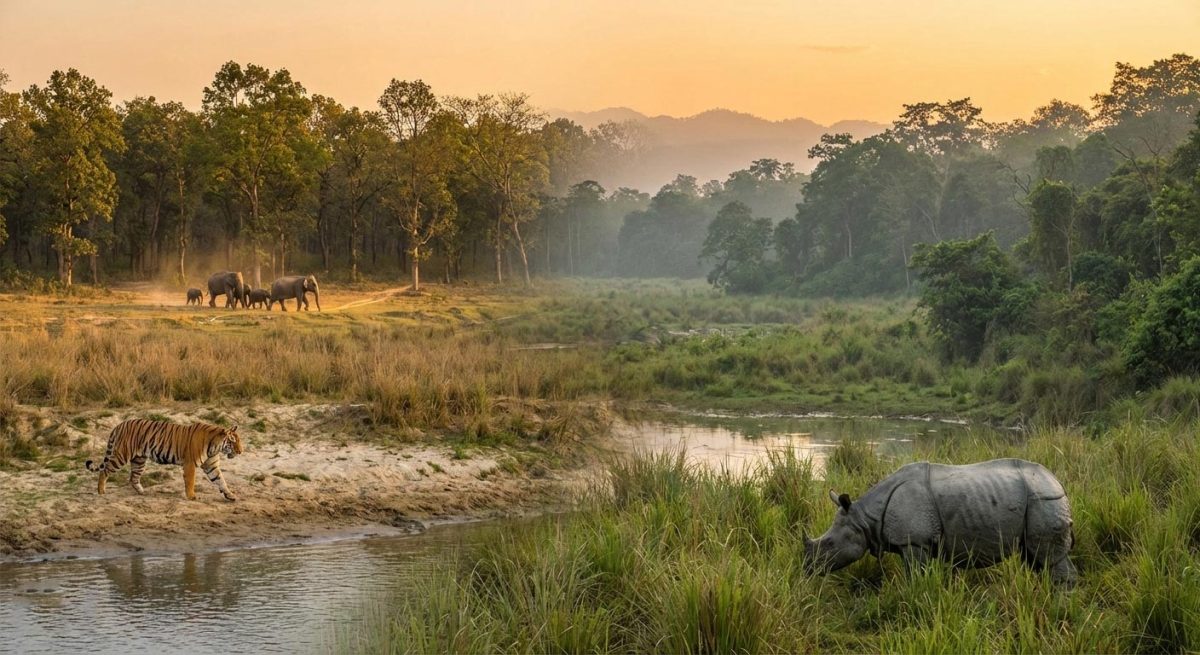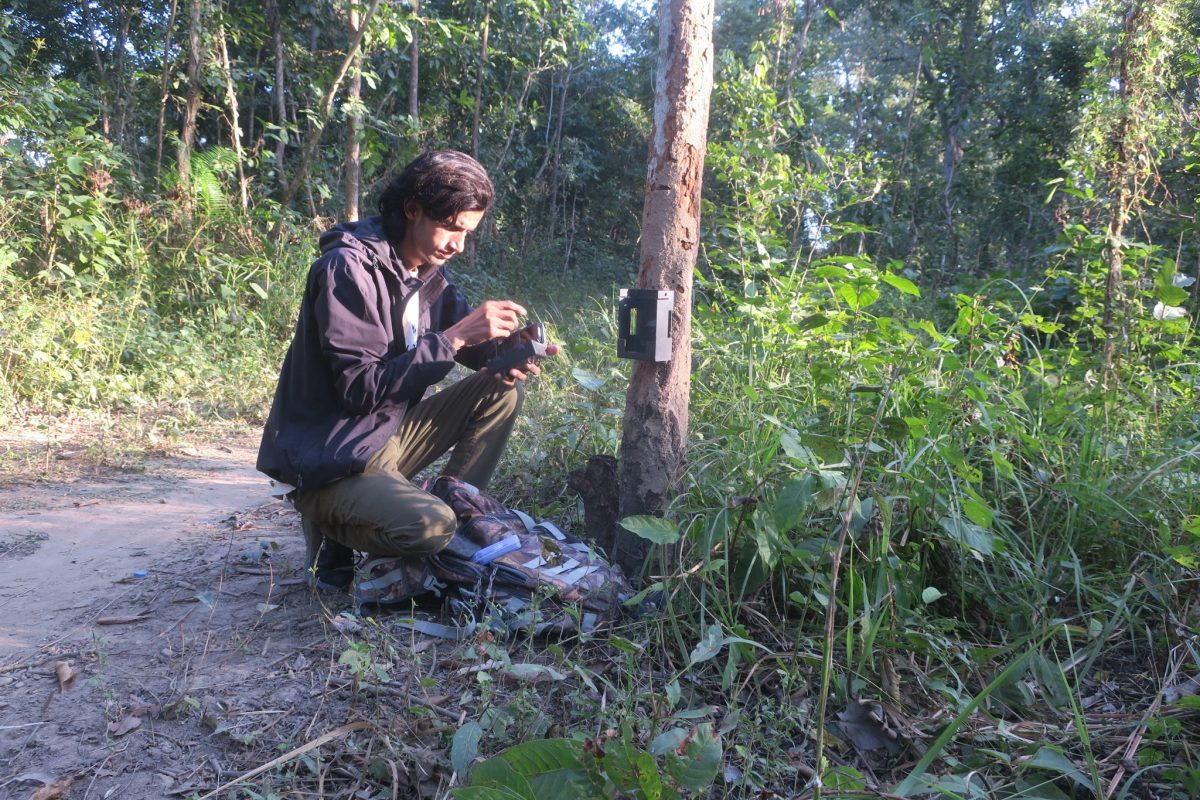
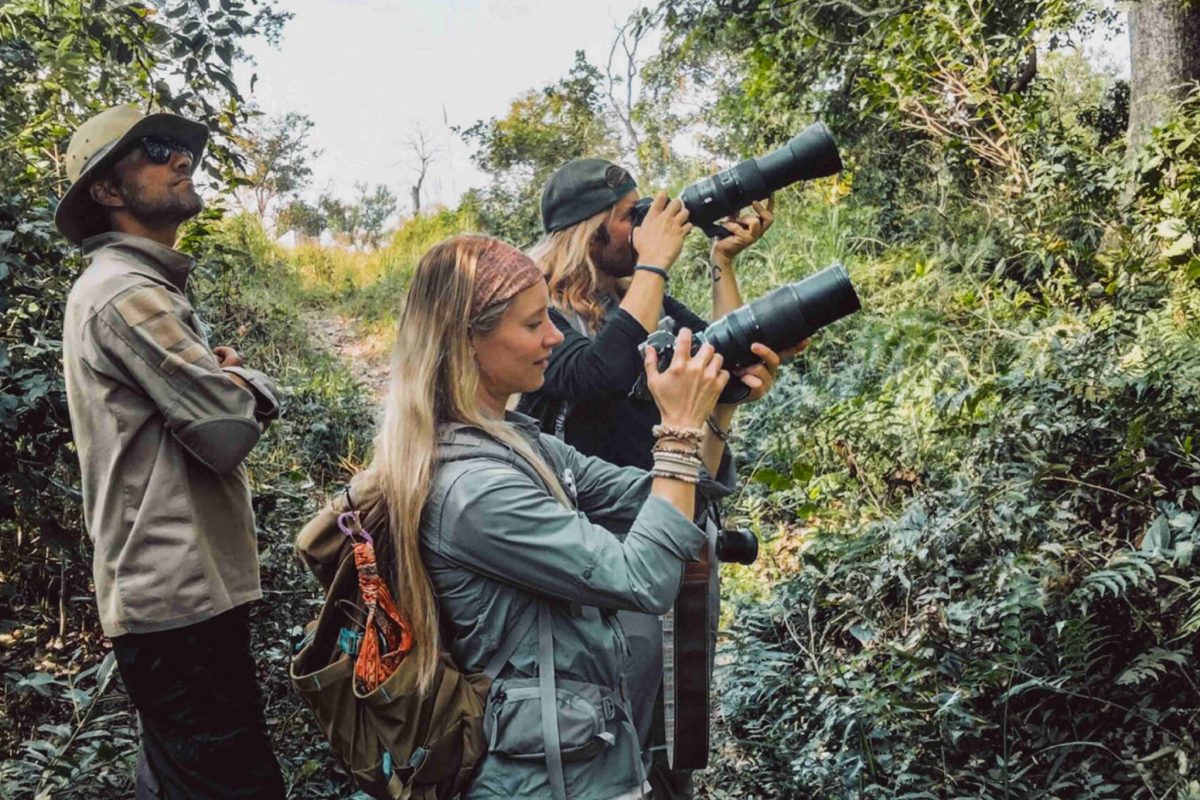
Bardia National Park, tucked away in western Nepal, is one of the most rewarding destinations for wildlife photography. With its dense sal forests, open grasslands, meandering rivers, and rich biodiversity, the park offers unique opportunities to capture some of the most iconic species in South Asia. Yet, knowing when to visit is key to maximizing your photography experience. Here’s a season-by-season guide to help you plan your perfect wildlife photography trip.
Winter (November – February)
- Why Visit: Clear skies, pleasant temperatures, and concentrated wildlife near water sources.
- Photography Advantage: Excellent visibility and softer light make winter the most favorable season for crisp, detailed shots.
- What You’ll Capture: Migratory birds, swamp deer herds, and higher chances of spotting tigers in open grasslands. Misty winter mornings also create magical backdrops.
Spring (March – April)
- Why Visit: The forests come alive with greenery and blossoms, offering vibrant color contrasts.
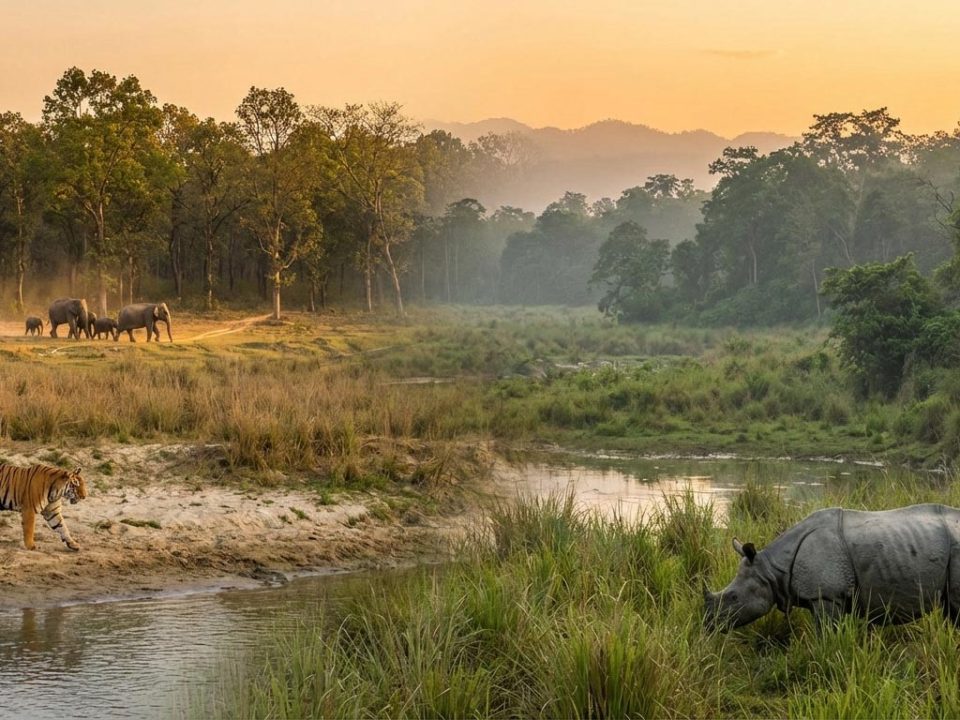
- Photography Advantage: Ideal for capturing elephants and rhinos with lush green backdrops. Bird activity also peaks with nesting and breeding.
- What You’ll Capture: Herds of elephants, one-horned rhinoceroses, and birds like hornbills, parakeets, and barbets.
Summer (May – June)
- Why Visit: The heat drives animals to rivers and waterholes, increasing visibility.
- Photography Advantage: Dry conditions and thinning foliage provide clearer line-of-sight for photography.
- What You’ll Capture: Tigers and leopards along riverbanks, gharials and marsh muggers basking in the sun, and golden light reflecting off parched landscapes.
Monsoon (July – September)
- Why Visit: The park is lush and dramatic, though heavy rains can make access difficult.
- Photography Advantage: Trails may be slippery, but the rain-washed greenery creates a vibrant backdrop for unique shots.
- What You’ll Capture: Herds of elephants in Dalla Community Forest and Bindrapuri Community Forest, along with birds such as cattle egrets and baya weavers nesting in the monsoon grasslands.
Autumn (October)
- Why Visit: The monsoon has ended, skies are clear, and the park reopens in full beauty.
- Photography Advantage: Crisp light conditions and active wildlife make autumn a great balance between comfort and sightings.
- What You’ll Capture: Rhinos, deer, and occasional tigers along with bright, post-monsoon landscapes.
Best Times of Day
Regardless of the season, the golden hours are the same:
- Early Morning (6–8 AM): Soft light, misty moods, and active wildlife.
- Late Afternoon (4–6 PM): Warm tones, dramatic silhouettes, and peak animal movement.
Every season in Bardia tells a different story through your lens. Winter offers clarity, spring brings color, summer reveals predators, and autumn balances it all. For serious wildlife photographers, winter and early spring remain the prime months, but even the harsh summer heat rewards those seeking iconic tiger shots.
Join Wild Trails Nepal for a guided wildlife photography journey through Bardia, and let each season unfold its magic through your camera.